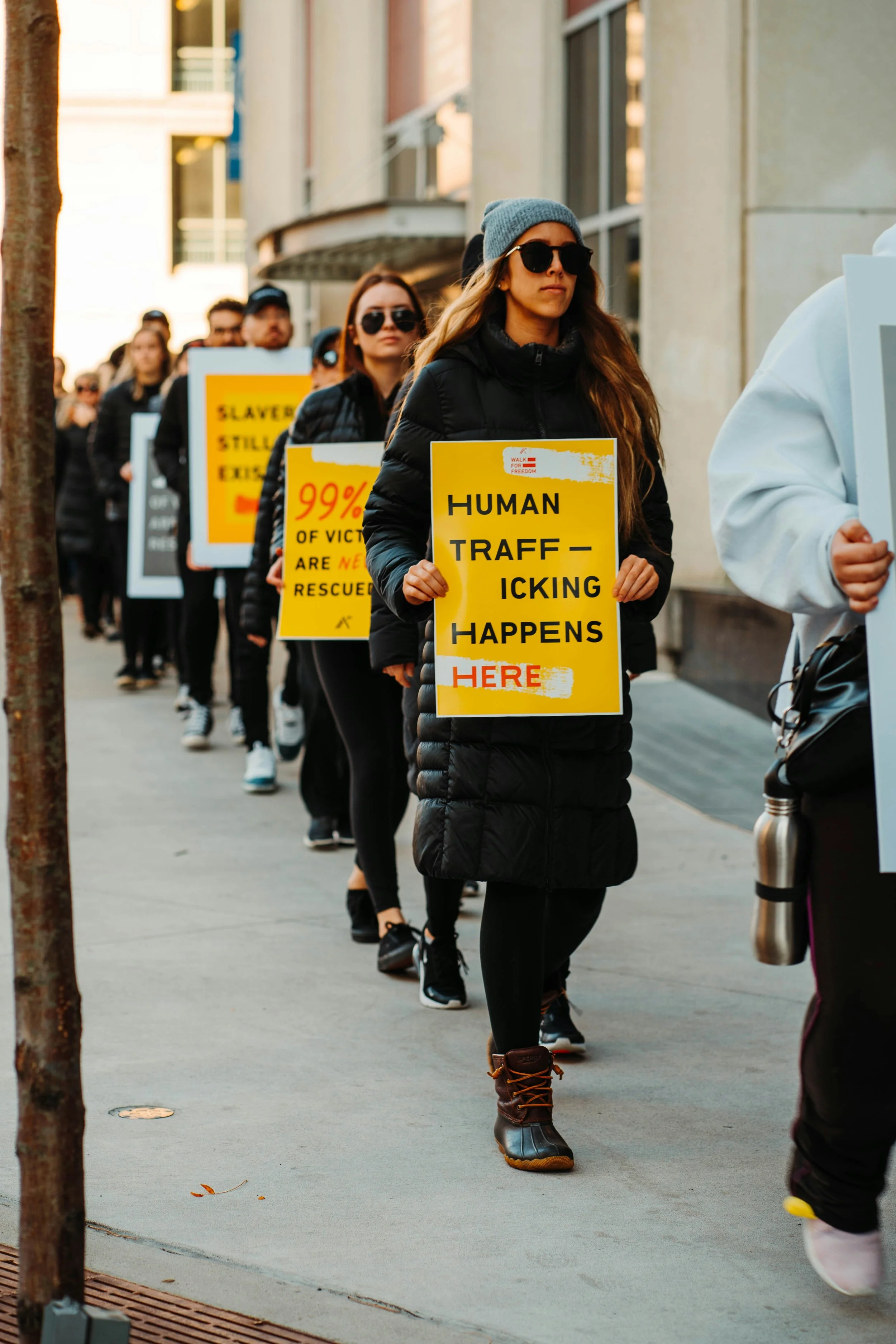
Human trafficking happens in Connecticut.
Businesses can help stop it.
In the last year alone, 96 human trafficking cases involving 170 victims were identified in Connecticut. But these are only the cases we know about. Experts estimate that at least 75% of trafficking cases go unreported, meaning the real scope of trafficking in our state is far larger — and far more hidden — than these numbers reveal.
Trafficking happens in both urban and rural communities and often operates in plain sight.
It can affect adults and minors, U.S. citizens and foreign nationals, and it intersects with everyday economic activity, often without businesses ever realizing it.
The number of human trafficking investigations in Connecticut is also rising.
According to the Regionalized Human Trafficking Recovery Taskforce of the Greater Hartford Region, Connecticut human trafficking investigations increased by more than 200% between 2022 and 2024. Note that increased investigations reflect greater awareness, reporting, and system capacity, and not a complete picture of trafficking activity.
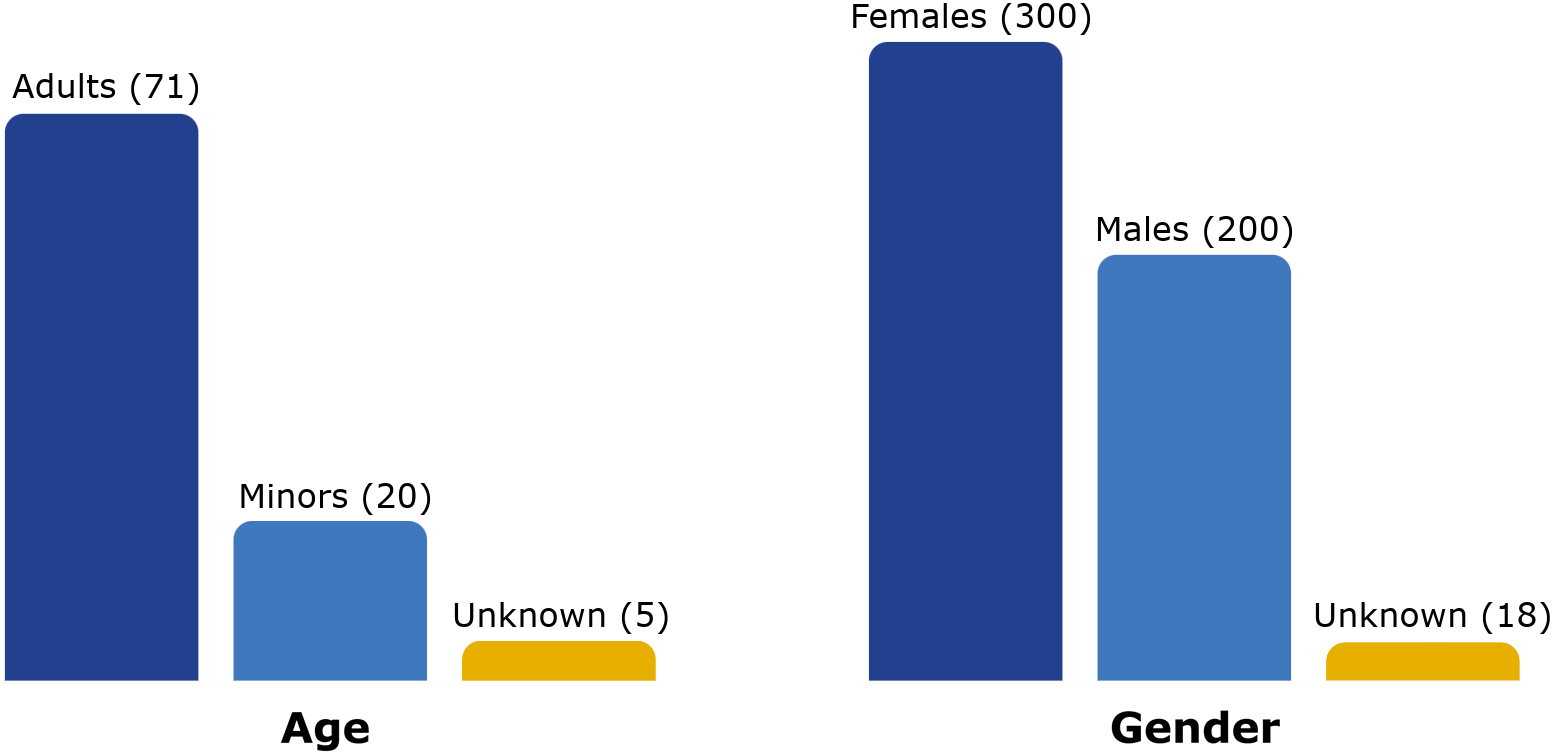
2024 Connecticut Human Trafficking Cases Involved
These numbers represent cases, not individuals. It is not always possible, or appropriate, to collect demographic information about victims or survivors, as doing so may jeopardize their safety or well-being.
Source: National Human Trafficking Hotline
Why Connecticut Businesses Matter
Connecticut’s location and economy make it vulnerable to trafficking activity. Major transportation corridors, like Interstate 95, are known routes traffickers use to move people quickly between states. Airports, tourism hubs, construction projects, restaurants, hospitality venues, domestic work, and other labor-intensive industries can also become points of contact with trafficking victims.
As a result, many Connecticut businesses may encounter human trafficking situations without recognizing them.
In some cases, businesses may unintentionally provide traffickers with the space, services, or labor they rely on. They may also unintentionally expose themselves to legal, financial, and reputational risk.
According to the U.S. Small Business Administration, a lack of awareness does not shield a business from liability. Under the federal Trafficking Victims Protection Reauthorization Act (TVPRA), companies can be held responsible if they financially or operationally benefit from trafficking and knew—or should have known— that trafficking was occurring and failed to take reasonable steps to prevent it. This standard makes clear that ignoring obvious warning signs, failing to train staff, or overlooking suspicious activity can expose businesses to serious consequences.
Recent court decisions underscore this growing legal risk. In July 2025, a Georgia jury in J.G. v. Northbrook Industries, Inc. applied the TVPRA’s “should have known” standard and found the company liable, resulting in a $40 million verdict — the largest civil trafficking judgment in U.S. history. While this decision is not binding in Connecticut, it signals an increasing willingness by courts and juries to hold businesses accountable when trafficking occurs in connection with their operations.
For businesses of all sizes, the message is clear: Proactive awareness, employee training, and clear reporting procedures are not only the right thing to do—they are essential risk-management practices that help protect people and safeguard the business itself.
However, businesses that know what to look for and what actions to take can help protect against human trafficking and make Connecticut a safer place to live, work, and do business.
Learn the facts about human trafficking and how it exists in Connecticut
Identify the signs of potential human trafficking
Report safely and responsibly when concerns arise