Connecticut Human Trafficking Data & Impact
Human trafficking intersects with legitimate business activity. Data and trends help businesses recognize risk, protect people, and respond responsibly. Awareness is not about accusation. It is about informed action.
Human trafficking can intersect with legitimate business operations in ways that are not always obvious. Businesses may encounter trafficking situations without realizing it, through labor practices, partnerships, or customer interactions. Examining data and trends from across Connecticut helps businesses understand risk patterns, strengthen training and compliance efforts, and respond responsibly to potential concerns.
Awareness is not about assigning blame. It is about informed, ethical business practices.
The information presented here reflects reported cases, investigations, arrests, and service-provider data and does not represent the full scope of trafficking in Connecticut.
Reported Human Trafficking in Connecticut
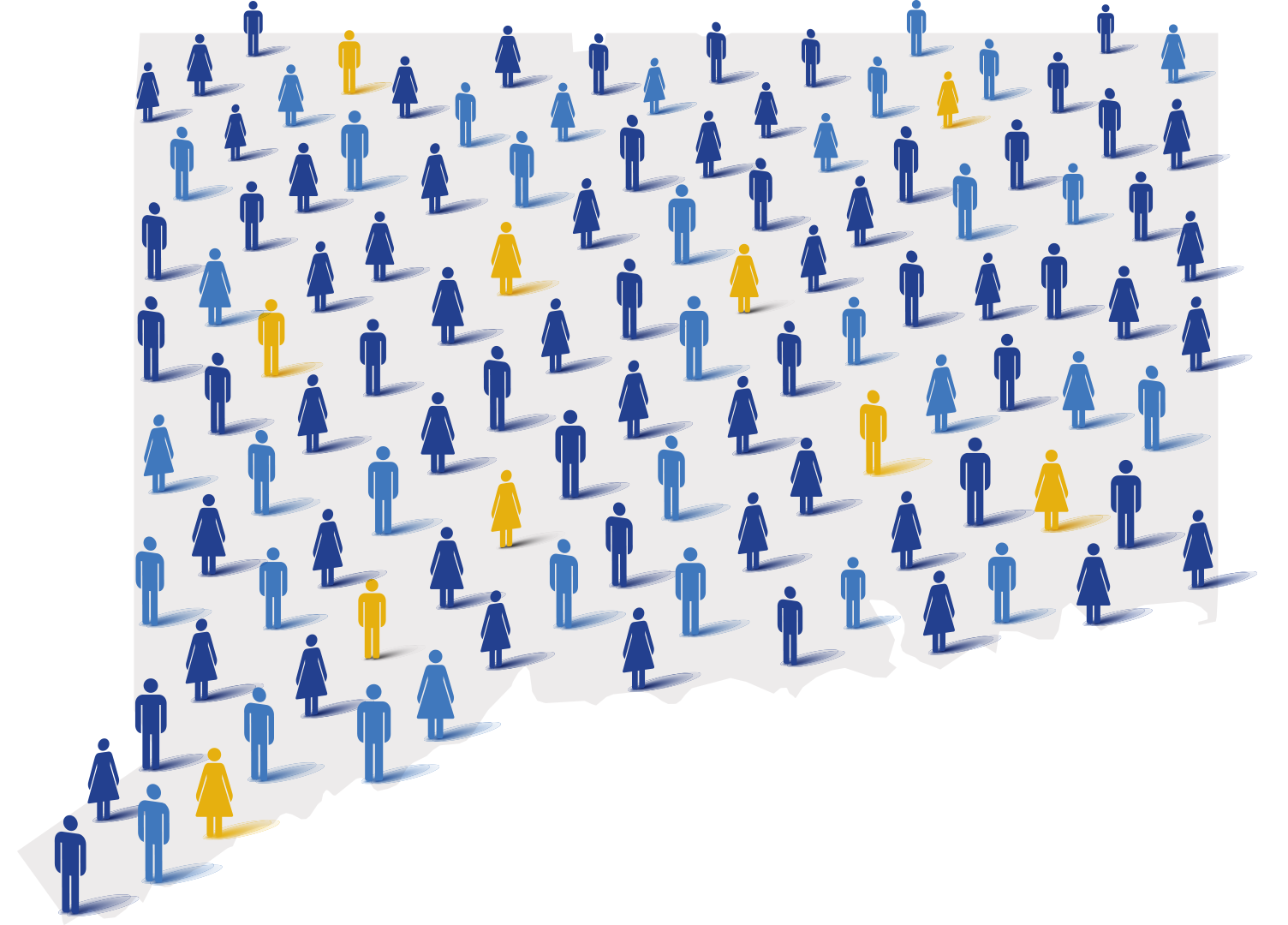
Since the National Human Trafficking Hotline was established, 702 cases of human trafficking involving 1,393 identified victims have been reported in Connecticut
Reports of human trafficking have occurred in every Connecticut county
Experts estimate that at least 75% of trafficking cases go unreported, meaning the true scope of trafficking in Connecticut is likely far greater than available data reflects
Trends in Investigations and Identification
According to the Regionalized Human Trafficking Recovery Taskforce (RHTRT) of the Greater Hartford Region, human trafficking investigations increased by more than 200% between 2022 and 2024. This increase reflects:
Improved awareness and training
Expanded coordination among law enforcement and service providers
Greater capacity to identify and investigate human trafficking cases
It does not indicate that trafficking is new, but rather that more cases are being recognized.
Sex Trafficking of Minors in Connecticut
Data consistently shows that sex trafficking of minors represents a significant portion of reported trafficking cases in Connecticut.
FBI data indicates that most identified victims of sex trafficking in Connecticut are between the ages of 10 and 19
The Regionalized Human Trafficking Recovery Taskforce reports that the majority of the victims it supports are victims of sex trafficking, many of whom are minors
Connecticut’s Department of Children and Families receives more than 300 reports each year involving young people who may be victims of sex trafficking
The Connecticut Trafficking in Persons (TIP) Council has also documented that children of color are disproportionately affected, reflecting broader systemic inequities that increase vulnerability to exploitation.
Labor Trafficking and Workforce Exploitation
Labor trafficking has been documented in multiple Connecticut industries, particularly those that rely on vulnerable or temporary labor.
Investigations and legal actions have involved agriculture, construction, domestic work, restaurants, and service industries
Traffickers often exploit economic insecurity, immigration status, housing dependence, and fear of retaliation to control victims
Because labor trafficking frequently occurs in private or isolated settings, it can be especially difficult to detect without informed awareness.
Illicit Massage Businesses and Commercial Sexual Exploitation
According to the Connecticut Trafficking in Persons (TIP) Council, hundreds of illicit massage businesses may be operating in Connecticut at any given time. These operations are frequently linked to organized sex trafficking networks and rely on debt, fraud, and isolation to control victims.
Because these businesses may appear legitimate on the surface, trafficking can persist undetected without informed oversight and reporting.
Arrests and Accountability
According to the Office of Legislative Research, from 2016 to 2021, there were 456 human trafficking-related arrests in Connecticut.
Approximately 21% of arrests involved promoting a minor in an obscene performance
Approximately 20% involved enticing a minor by computer
Arrest data reflect enforcement activity and not the prevalence of trafficking. Many cases never result in arrest due to underreporting, victim safety concerns, and the complexity of trafficking investigations.
Explore Connecticut’s response to human trafficking, including laws, protections, and ongoing efforts to prevent exploitation and support victims
Learn More
Identify the Signs of potential human trafficking
Report Safely and Responsibly when concerns arise