What is Human Trafficking
Human trafficking is a form of modern-day slavery and exploitation in which individuals are forced, defrauded, or coerced into providing labor or commercial sex against their will. Across the United States, it affects people of all ages, genders, backgrounds, and immigration statuses.
Neither sex nor labor trafficking requires physical restraint. Control is often maintained through psychological pressure, debt, threats, manipulation, or fear. Victims may appear to be free to come and go, yet still be under the control of a trafficker.

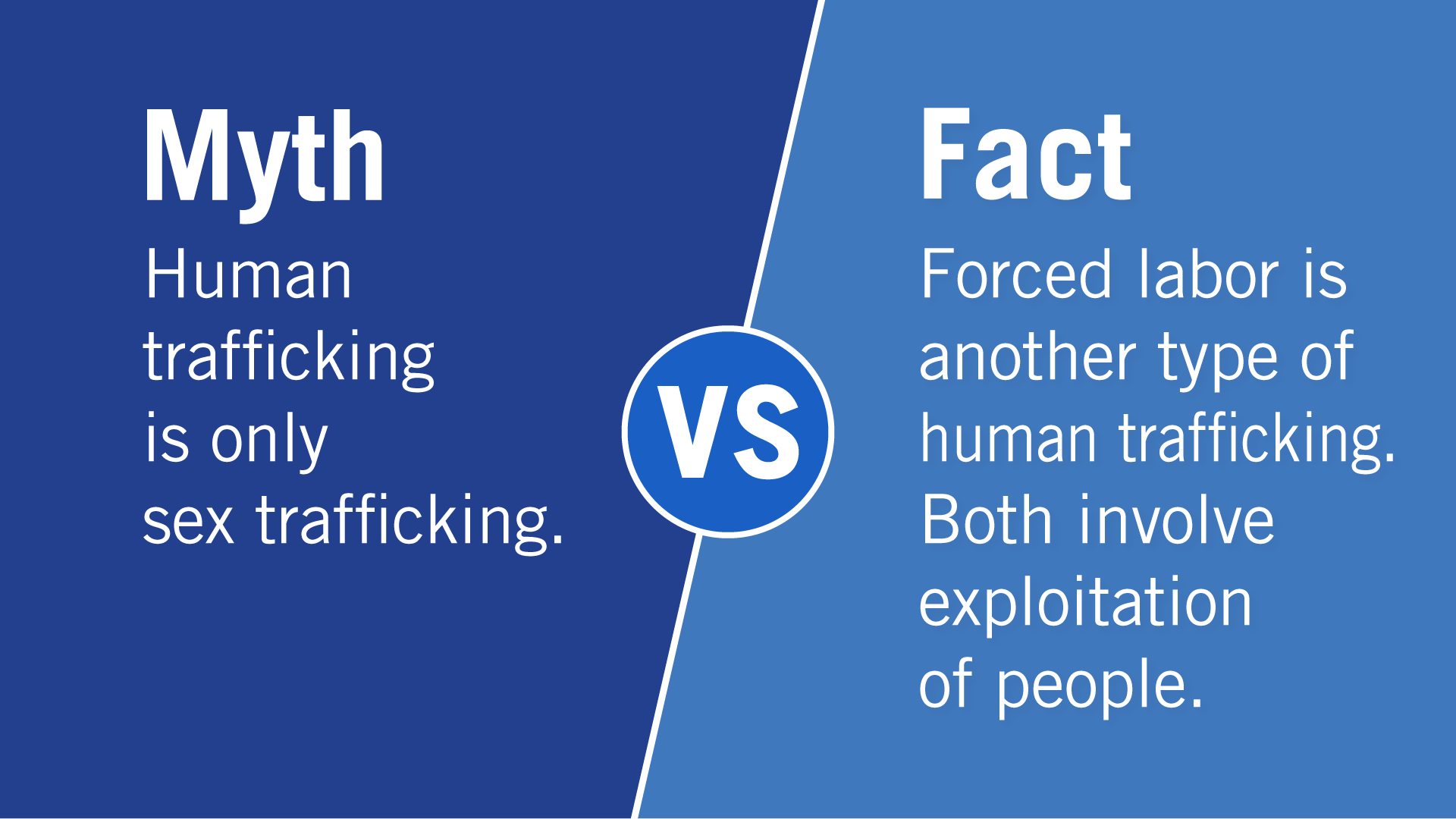

Labor Trafficking
Occurs when individuals are compelled to work through force, fraud, or coercion. This may include:
Being paid less than promised, or not at all
Having identity documents withheld
Being threatened with deportation, violence, or job loss
Being forced to work in unsafe or degrading conditions
Common industries for labor trafficking: restaurants, construction, agriculture, domestic work, manufacturing, hospitality, healthcare, and personal services.
Sex Trafficking
Occurs when individuals are caused to engage in commercial sex through force, fraud, or coercion. Any minor involved in commercial sex is legally considered a victim of sex trafficking. This may include:
Being pressured, manipulated, or threatened into performing sex acts
Having earnings controlled or taken by another person
Being monitored, transported, or unable to speak freely
Being prevented from leaving a situation they want to escape
Common settings for sex trafficking: hotels and motels, online platforms, illicit massage businesses, pornography, and other environments that may appear legitimate on the surface.